Research-backed answers, in plain language
A decision-support application that turns agricultural science into direct, practical guidance for the problem a farmer is looking at today.
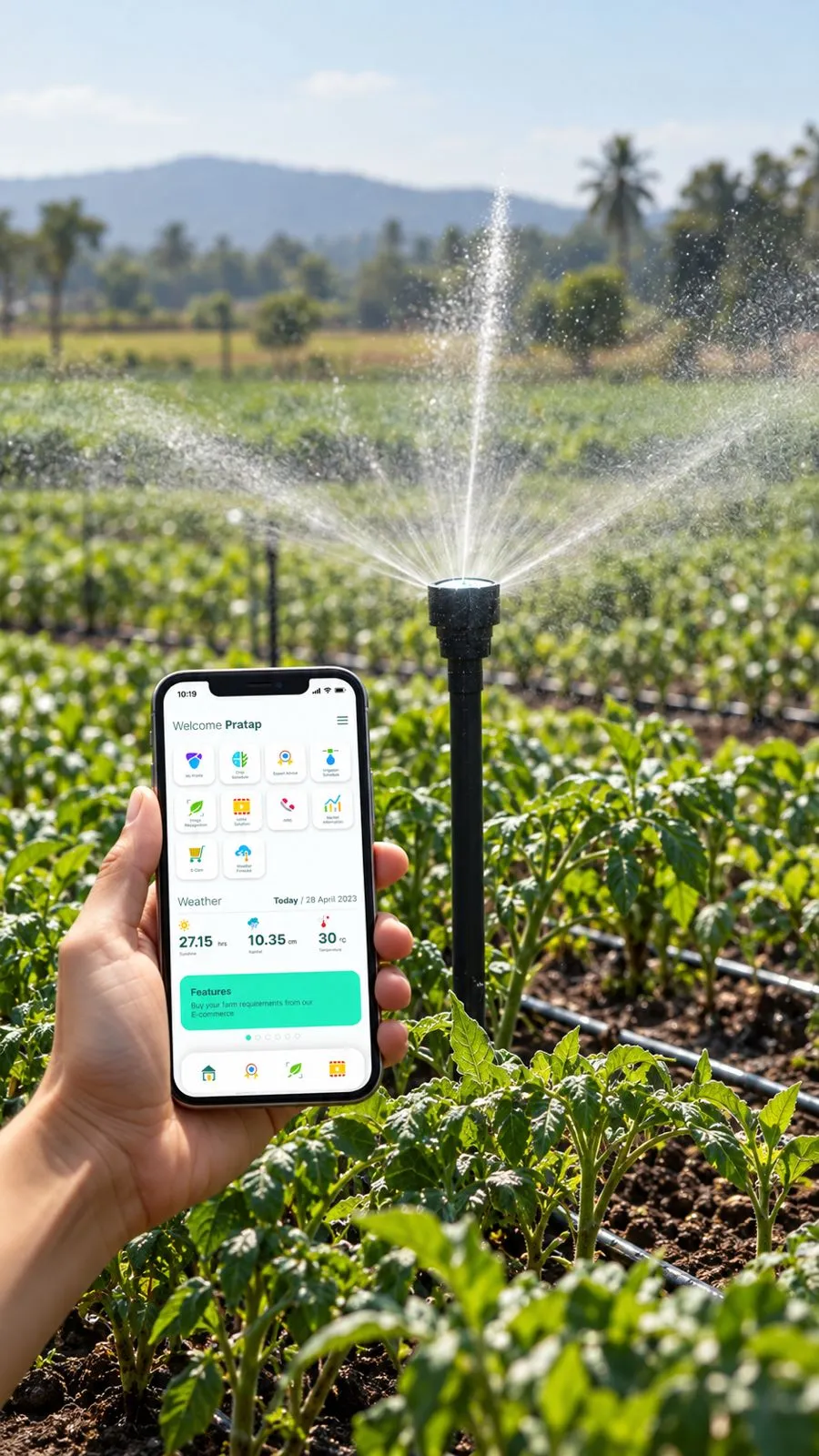
How it works
Science underneath
Recommendations derived from established agricultural research and validated models, not from generic advice repeated online.
An answer, not a reading
Output is a decision — do this, now, for this reason — rather than a dataset the user has to interpret.
Context aware
Guidance adjusted for crop, growth stage, local conditions and the resources the farmer actually has.
Hybrid by design
Works across devices and degrades gracefully when connectivity is poor, because field conditions are not office conditions.
Expert backed
Developed with agricultural scientists and institutions, with a path to escalate questions the model should not answer alone.
Low barrier to use
Designed for a wide range of literacy and technical confidence. If it needs explaining, it is not finished.
The translation problem
Agricultural research is extensive, rigorous and almost entirely inaccessible to the people it is meant to help. It lives in journals, in institutional reports, and in the heads of extension officers who cannot be everywhere.
Meanwhile the decision in front of a farmer is immediate and specific: this crop, at this stage, showing this symptom, this week.
OSDA exists to close that gap — to take what the research establishes and deliver it as a direct answer at the moment the question is being asked.
What we deliberately did not build
A dashboard. A data explorer. A configurable analytics tool.
Each of those pushes the interpretation back onto the user. If someone has to study a chart to work out what to do, the application has moved the work rather than done it.
The standard we held to is simple: a recommendation, stated plainly, with the reason attached.
Other products
Smart Weather Station
Solar-powered, single-pole IoT weather station delivering real-time on-location agricultural data.
IoT & automationPIAS
Precision irrigation automation — solenoid control driven by soil, weather and crop-stage data.
IoT & applicationPhule Sanman
Farm mechanisation registry connecting equipment, custom hiring, repair services and suppliers.
Frequently asked
About OSDA
What crops does OSDA cover?
Depends on the deployment. Current coverage includes major cereals, oilseeds, horticulture and selected high-value cash crops, with research partners adding new crops through curated model packs.
Is OSDA an AI product or a rules-based system?
Hybrid. Base guidance comes from validated research-institute decision rules; AI assists on top where pattern recognition from field photos or free-text queries adds value. Every AI-assisted output is reviewed against the base rules before being shown.
Does OSDA work offline?
Yes — the core decision engine runs on-device and degrades gracefully on poor networks. New model updates and freshly-captured field data sync when connectivity returns.
Can research institutes contribute their own models?
Yes. Model contributions go through a review-and-publish workflow owned by the lead research partner; OSDA handles versioning, targeting (crop + region + stage) and rollback if a published pack causes field issues.
Next step
Interested in OSDA?
Tell us about your deployment — scale, location, and what you need it to connect to. We'll come back with a practical answer.